
How to join PlantACT!
- Get in touchSend us a short message with your name, institution and research focus.
- Introduce your workTell us how your research can help agriculture adapt to and mitigate climate change.
- Join the networkYour profile appears here and you are invited to workshops, conferences and joint initiatives.
Members around the globe
Browse by country
60 members in 40 countries

Spain
Armando Albert
Spanish National Research Council (CSIC), Madrid, Spain
Read more
Armando Albert is a Research Professor at the Spanish Research Council (CSIC). Specializing in structural biology, he explores the molecular mechanisms underlying plant responses to abiotic stress. Using structural data, he contributes to the development of innovative and eco-friendly agrochemicals aimed at enhancing plants’ resilience to stress.

Sweden
German Martinez Arias
Swedish University of Agricultural Sciences in Uppsala
Read more
Germán is senior lecturer at the Swedish University of Agricultural Sciences (SLU) in Uppsala (Sweden). His lab is interested in understanding how plants use epigenetic mechanisms to modulate the transcriptional response against stresses, particularly biotic. This can help us to consider information that is not directly written in the DNA to design/select species/varieties that have improved resistance to stress and to design tools based on the modification of specific epigenetic information.

United States
Olufunke Ayegbidun
Washington State University
Read more
Olufunke Ayegbidun is a doctoral student at Washington State University. Her research focuses on improving nutritional and agronomic traits in bread wheat by exploring genetic variations in wheat's progenitors. Her research aims to promote global food security and alleviate micronutrient deficiencies by developing highly nutritious climate-resilient wheat varieties.

Algeria
Abdelkader Bekki
Laboratory of Rhizobia Biotechnology and Plant BreedingDepartment of Biotechnology. Faculty of Sciences. Oran University 1 Ahmed Ben Bella
Read more
Abdelkader holds a doctorate degree in biology and microbiology obtained in 1986 at the University of technical sciences in Nice (France). He is a Professor at the biotechnology department of the University of Sciences Oran1 (Algeria) since 1987. His main research focuses on crop yield improvement, especially in Fabaceae. His works are mainly dedicated to the interactions between fabaceae species and microbes (microbial consortium in the rhizosphere) under extreme conditions such as drought and anthropized soils

United Kingdom
Rahul Bhosale
Department of Plant Sciences, University of NottinghamUK
Read more
Dr. Rahul Bhosale is an Associate Professor at the Department of Plant Sciences, University of Nottingham. His research focuses on uncovering the molecular mechanisms that control root system plasticity in response to elevated soil temperatures. He is particularly interested in understanding how root angle and diameter adjust to temperature stress, contributing to the development of heat-resilient root systems.

Netherlands
Damian Boer
Wageningen University & ResearchThe Netherlands
Read more
Damian researches root growth and development under abiotic stresses, with the aim of finding adaptive root architectural responses to a plethora of harsh environmental conditions. His interests lie in plant ecophysiology; how the environment, both physical and biological, interacts with the physiology of a plant. Besides his work as a scientist, he deeply cares about nature restoration and conservation, and science communication (he founded GeneSprout Initiative). He aims to contribute to the PlantACT! initiative through his out-of-the-box thinking to ultimately help in the goal of tackling climate change through plant science

Morocco
Hassan Boukcim
University Mohammed VI Polytechnic (Morocco)ASARI | African Institute for Research on Sustainable Agriculture (Laayoun – Morocco)
Read more
Hassan, holds an executive MBA and a PhD in Ecophysiology and Ecological restoration. He has more than 25 years of experience in scientific research, innovation management and startups. He worked for more many years at INRA (France). He contributed to the preparation and the realization of many European, international and national R&D programs in the field of the conservation and rehabilitation of soils and ecosystems. He is author and co-author of many scientific publications in international refereed journals. Since 2008, he is founder; CEO-President and Chief Scientific Officer of Valorhiz ( www.valorhiz.com ) , innovative company specialized in the conception, providing and implementation of innovative solutions for functional diagnosis, biological treatments and monitoring of soils and ecosystems in the objective of its sustainable valorization (land reclamation, soil water management, bio-technosoils, sustainable agriculture, vegetalisation, carbon sequestration, biodiversity, ...)

Netherlands
Victor Carrion Bravo
Institute for Mediterranean and Subtropical Horticulture, Malaga, SpainLeiden University, Netherlands
Read more
Víctor is a Ramón y Cajal researcher at the University of Málaga (IHSM-UMA-CSIC) and an Assistant at Leiden University. His primary research interest is to understand how microorganisms mediate plant protection against (a)biotic stresses. His team is specialized in developing new, multidisciplinary approaches to systematically correlate microbial genes and biosynthetic gene clusters (BGCs) with their functions in plants under stress. Additionally, his research program focuses on the diversity, dynamics, and beneficial functions of microorganisms associated with plants. Víctor and his team investigate the mechanisms by which these microbes protect plants from (a)biotic stresses, such as fungal pathogens or drought.

France
Fabien Chardon
Université Paris-Saclay, INRAE, AgroParisTech, Institut Jean-Pierre Bourgin (IJPB)78000, Versailles, France
Read more
Fabien is a senior researcher in the SATURNE team at IJPB, interested by the genetic variability of nitrogen assimilation and remobilization processes in plants. In particular, he is studying the relationship between nitrogen and carbon allocation in plant organs and the age of tissues (leaf senescence), as well as the effect of climate change on these adaptive traits.

China
Shiguo Chen
Nanjing Agricultural University
Read more
Shiguo is a full professor at Nanjing Agricultural University, China. His research interest focuses on developing natural plant inducers and understanding the initial targets of action and molecular mechanisms of these new inducers enhancing plants against extreme climate (especially high/low temperature, salinity, and drought) and important diseases. He aims to explore economic, environmentally friendly and super efficient plant inducers to facilitate field-grown crops against abiotic and biotic stresses.

United States
Gregory P. Copenhaver
Institute for Convergent Science, Associate Dean for Research and Innovation
Read more
Gregory Copenhaver is the Chancellor’s Eminent Professor of Convergent Science at UNC Chapel Hill and a Distinguished Adjunct Professor at Fudan University in Shanghai. He serves as UNC’s Associate Dean for Research & Innovation, and as Director for the UNC Institute for Convergent Science. Greg’s research focuses on plant reproductive biology and the influence of the environment. He serves as Editor-in-Chief for the peer-reviewed scientific journal PLOS Genetics. In 2019 he was elected as a Fellow of the Linnean Society and in 2021 he was elected as a Fellow of the American Association for the Advancement of Science (AAAS).

Mexico
Alejandra Covarrubias
Plant Molecular Biology Department, Instituto de BiotecnologíaUniversidad Nacional Autónoma de México, MorelosMéxico
Read more
Alejandra Covarrubias earned her Ph.D. in Molecular Genetics from the National Autonomous University of Mexico (UNAM). Afterwards, she obtained a Plant Biology training at Stanford University during her postdoctoral tenure. She is a Professor at the Plant Molecular Biology Department at the Biotechnology Institute within UNAM. Her research focuses on the molecular and physiological mechanisms that enable Phaseolus species to withstand prolonged periods of drought, particularly terminal drought. Also, Covarrubias has been particularly interested in the role of Late Embryogenesis Abundant (LEA) proteins and their function in protecting cellular structures during water loss and desiccation.

Spain
Pilar Cubas
Spanish Research Council (CSIC) at the National Center of Biotechnology
Read more
Pilar Cubas is a research investigator in the Spanish Research Council (CSIC) at the National Center of Biotechnology. Using Arabidopsis thaliana, tomato, and potato as model systems, she investigates the molecular mechanisms that determine the developmental decision of axillary buds to either remain dormant or grow out to produce branches. This critical decision influences resource allocation and, ultimately, plant adaptation. Her team also studies the interplay between the environmental signals and internal cues that control this process as well as the conservation and evolution of the genetic networks controlling bud activity in angiosperms.

Poland
Agata Daszkowska-Golec
University of Silesia in Katowice, Faculty of Natural Science, Institute of Biology, Biotechnology and Environmental Protection
Read more
Agata is a plant geneticist with extensive experience in the field of functional genomics. Her research has focused on the molecular basis of plants’ (Arabidopsis and barley) response to abiotic stress adaptation, emphasizing ABA signaling and drought response. Her team mainly employs mutagenesis, genetics, functional genomics, transcriptomics, physiological analyses, and bioinformatics in examining the role and mechanism of action of specific genes in plants' response to adverse environmental conditions
Pakistan
Ihsanullah Daur
The Agriculture University Peshawar
Read more
Ihsanullah has Ph.D. in Organic Farming and crop physiology obtained in 2008 from Ege University, Turkey. He currently holds the position of Associate Professor at The Agriculture University Peshawar, Pakistan. His research interests revolve around the discovery of medicinal plants, microbial biodiversity, crop production in harsh environments, and the implementation of integrated nutrient and weed management strategies for sustainable crop production.

Croatia
Šamec Dunja
University of North Croatia
Read more
Dunja received her PhD in plant biology in 2013 and then worked for two years as a postdoctoral researcher in the USA on a Marie Curie fellowship, where she gained knowledge in plant metabolomics. She is currently an assistant professor at the University North, where she also leads a research group. Her main scientific interest is the role of less-studied plant specialized metabolites in plant-environment interactions and their potential use in agriculture, biotechnology and pharmaceuticals. Currently, her research focuses on flavonoid dimers.

Costa Rica
Fabián Echeverría-Beirute
Technological Institute of Costa Rica
Read more
Fabián is a Professor and researcher at the Technological Institute of Costa Rica (TEC, Costa Rica), at the Doctorate program in Natural Sciences for Development -DOCINADE-, the Master program in Science and Technology for Sustainability, researcher in Plant Genetic Improvement and Biotechnology at the School of Agronomy, and Coordinator of the Center for Research and Development of Tropical-Humid Sustainable Agriculture. Fabián is a Biotechnology Engineer, with a Master's Degree in Agricultural Sciences and Natural Resources with an emphasis in Biotechnology (Universidad de Costa Rica) and a PhD in Plant Genetic Improvement (Texas A&M University, USA). He is an advisor on Innovation and Development, as well as a promoter of science and technology towards sustainability.
South Africa
Jill Farrant
South African Research Chair in “Systems Biology Studies on Plant Desiccation Tolerance for Food Security”, Department of Molecular and Cell BiologyUniversity of Cape Town, South Africa
Read more
Jill Farrant utilizes a multidisciplinary approach to understand protection mechanisms associated with vegetative desiccation tolerance, and this regulation, with the ultimate aim of producting drought tolerant crops for food security.

Cyprus
Vasileios Fotopoulos
Cyprus University of Technology
Read more
Vasileios is Associate Professor in Structural and Functional Plant Biology and head of the CUT Plant Stress Physiology Group established in 2008 ( www.plant-stress.weebly.com ). His main scientific research focuses on the study of nitro-oxidative signaling cascades involved in the plant’s response to stress factors, while emphasis is being given in the development of chemical, biological and nanomaterial priming technologies towards the amelioration of abiotic stress factors and promotion of plant growth. Relevant research has resulted in the publication of a patent and the provisional filing of three additional ones. In addition, he is involved in research studying plant secondary metabolism and antioxidant responses in fruit crops during ripening. He has also been assigned to evaluate competitive research proposals from different countries (France, Belgium, Poland, Australia, UK, Chile, Latvia, Greece, Italy, Serbia, Czech Republic, Portugal, Israel, Qatar, Austria, Denmark, Hungary, United Kingdom), EU proposals (Horizon Europe, EUROSTARS, PRIMA), while he is an active Review Panel Member for COST Actions (EU) in the field of ‘Natural Sciences’. Finally, he has acted as examiner of MSc theses/PhD dissertations from Italy, Greece, Spain, India, South Africa and The Netherlands.

Germany
Sotirios Fragkostefanakis
Goethe University Frankfurt, Institute Of Molecular Biology
Read more
Sotirios is a group leader in the working group of Molecular and Cell Biology of Plants, Goethe University Frankfurt, Germany. His research focuses on understanding how plants respond to high temperatures that cause heat stress using genetic, molecular biology and physiological approaches. He aims to describe the effects of different heat stress regimes on plant metabolism, identify the key regulators of heat stress response and characterize how they control important thermotolerance mechanisms.

Costa Rica
Andres Gatica
University of, Costa-Rica
Read more
Andrés is a researcher and professor in the field of biotechnology. With degrees in Biotechnology and Agricultural Sciences, his expertise lies in plant genetic improvement, genetic engineering, genome editing, plant tissue culture, molecular biology of plants, and public perception of biotechnology. He holds a Doctorate in Agricultural Sciences from University of Hohenheim, Germany. Currently a professor at the University of Costa Rica. He has been involved in numerous research projects with financial support from various institutions. In addition to his academic pursuits, Andrés is actively engaged in mentoring students, serving on thesis committees, and contributing to academic development. He has also been a keynote speaker at international conferences and has organized forums on agricultural biotechnology and biosafety. In recognition of his accomplishments, the University of Costa Rica bestowed upon him the title "Humboldt Professor" in 2023. Furthermore, Andrés leads the Latin American Biotechnology-STEAM Network, which aims to foster collaborative research and innovation in biotechnology across the region, emphasizing science, technology, engineering, arts, and mathematics competencies.

United States
Jeoffrey George
University of California Riverside
Read more
Jeoffrey is a postdoctoral fellow in the group of Prof. Julia Bailey-Serres. His research focus on understanding how plants respond to flooding, which is one of the most important factor impacting crop yield. Using natural variation in legumes, his research provides insights into gene expression with transcriptional and translational regulation. He aims to identify key regulators of root plasticity.
Ethiopia
Beakal Tadesse Girma
PhD Student at the University of Cape Town in the Department of Molecular and Cell Biology, South AfricaResearcher at Ethiopian Institute of Agricultural Research, Ethiopia
Read more
Beakal is a PhD student at the University of Cape Town, focusing on the mechanism of drought tolerance in Tef. His project involves correlating morphological, phenological, and physiological responses with molecular responses to find potential biomarkers that can aid conventional breeding. He employs an omics approach in his molecular studies. He is also involved in the improvement of cereal crops for the changing climate and increase productivity.

Italy
Eva Maria Gomez
PlantLabPisa, Italy
Read more
Eva Maria is a plant biotechnologist who joined the PlantLab (Scuola Superiore Sant’Anna, Pisa, Italy) in 2019 as a Ph.D. student Agrobiodiversity. Her PhD is based on cereals response to submergence stress. She is also a Plantae Fellow from the American Society of Plant Biologist. Outside the lab, she loves to run, play the flute, and read feminist books.

United Kingdom
Maruthi M N Gowda
University of GreenwichUK
Read more
Maruthi is a Professor of Molecular Plant Pathology at the Natural Resources Institute of the University of Greenwich in the UK. He is a plant pathologist by training but with over 20 years of wider research and development experience in agriculture working with farming communities in the tropical countries of Africa and Asia. Specifically, he has wide ranging multidisciplinary skills from field epidemiology, molecular biology, tissue culture to functional genomics with strengths in plant-virus-insect interactions and climate change. He has been carrying out holistic research to understand factors affecting livelihoods, and to use the knowledge generated to find sustainable solutions to the real-world problems.

Chile
Rodrigo A. Gutierrez
Molecular Genetics and Microbiology Department, P. Universidad Católica
Read more
Rodrigo is Full Professor and is one of the founders of the Chilean Society of Plant Biologists and first elected president. He obtained his PhD from Michigan State University and was postdoc at New York University. His main interest is to use systems biology approaches to understand mechanisms to regulate gene expression in response to nitrogen nutrients or metabolite signals in plants using A. thaliana as a model system. He is also interested in understanding the molecular mechanisms of plant resilience, working on the co-evolution of adaptive traits in wild species of Atacama Desert plants.

Ireland
Saqlain Haider
University of Galway, Ireland
Read more
Saqlain Haider is a PhD student in Sara Farrona`s lab. His research project is about the evolution of novel components of Polycomb group proteins and their impact on the acquisition of specific developmental traits in land plants.

Germany
Elena Hamann
Institute for Plant Ecology and Evolution Heinrich Heine University Düsseldorf
Read more
Elena is a newly appointed Prof. for Plant Ecology and Evolution at the Heinrich-Heine University Düsseldorf. Her research focuses on the processes that promote or constrain adaptive evolution in natural plant populations, and attempts at disentangling the relative contributions of adaptation, phenotypic plasticity, and range shifts in response to rapid climate change. To examine these themes, she combines traditional field- and greenhouse-based approaches with quantitative genetics and ecological genomics. Her research provides insights into the adaptive potential of populations in rapidly changing environments, helps forecast evolutionary rescue and range shifts, informs conservation efforts for native species, and contributes to crop improvement.

Saudi Arabia
Heribert Hirt
King Abdullah University of Science and TechnologyKingdom of Saudi Arabia
Read more
Heribert studies how plants can adapt to abiotic or biotic stress conditions. He launched the Darwin21 project to bioprospect various hot deserts for beneficial microbes that can ultimately enhance plant survival and growth on hyperarid lands by increasing heat, drought and salt resistance. Heribert hypothesizes that with better understanding of desertification and plant-soil-biome ecosystem it is possible to revert hyperarid lands into functional ecosystems. His key research area is the study of desert soil, plants and microbes and their use in establishing natural sustainable systems in land restoration, landscaping and agriculture, without relying on chemicals or pesticides.

France
Michael Hodges
Université Paris-Saclay, CNRS, INRAE, Université d’Evry, Université Paris Cité, Institute of Plant Sciences Paris-SaclayORSAY France
Read more
Michael is a senior scientist and group leader at the Institute of Plant Sciences Paris-Saclay. His major scientific interest is focused on plant primary metabolism interactions. Current topics include the regulation of photorespiration, stomatal movements, plant multi-stress responses and the influence of beneficial bacteria on plant acclimation to elevated CO 2 and low nitrogen.

Belgium
Dirk Inze
VIB-UGent Center for Plant Systems Biology, Belgium
Read more
Dirk is Director Emeritus of the VIB Center for Plant Systems Biology and Group leader of the Innovative Breeding group. His research deals with understanding the molecular mechanisms that orchestrate plant growth under favorable as well as drought conditions. He developed a disruptive breeding approach, BREEDIT, to tackle complex polygenic traits. BREEDIT combines multiplex gene editing of numerous genes and classical plant breeding.
Bosnia and Herzegovina
Erna Karalija
University of Sarajevo
Read more
Erna Karalija graduated with a PhD in biology from the University of Sarajevo, B&H in 2015. During 2022-2023 she spent one-year sabbatical period in Plant stress laboratory, University of Florence, Italy. Since 2007 she has been working as a researcher at University of Sarajevo, where she holds position of full professor in functional and molecular biology. Her research explores two main themes: plant stress physiology and plant memory with specific interest in seed priming and transgenerational memory investigating how seed priming affects plant fitness and vigour and how primed memory can be transferred to progeny. Secondly her research investigates plants secondary metabolite production using in vivo and in vitro techniques and different elicitors and how these can affect bioactive properties of plants. She is a member of Global Young Academy since 2020 and member of the International Association of Dietetic Nutrition and Safety (IADNS) since 2022, Associated editor of Food Safety and Health Journal (Springer), Review Editor of Plant Stress journal (Elsevier), Plant Metabolism and Chemodiversity (Frontiers), Ethnopharmacology (Frontiers), Crop and Product Physiology (Frontiers).

Estonia
Hannes Kollist
Institute of Technology, University of Tartu
Read more
Hannes is interested to understand the immediate molecular switches by which plants sense changes in the surrounding environment. He studies stomatal regulation in response elevated CO 2 , drought, air pollutant ozone and ways how to apply this knowledge for breeding plants that would consume less water. He is also interested in developing technological solutions for measuring plant gas exchange in various growth conditions.

Germany
Stanislav Kopriva
Institute for Plant Sciences, University of Cologne
Read more
Stan Kopriva’s research aims to understand how plants integrate the uptake and utilization of key mineral nutrients with their needs, demand, and changes in environment and what is the role of micro-organisms in plant nutrition. He uses a combination of biochemical, genetic and physiological approaches and exploits natural variation. The research focuses on three areas: (1) molecular mechanisms of sulfur homeostasis and its integration in general plant metabolism; (2) alterations in mineral nutrition between C3 and C4 plants; and (3) metabolic signals in plant microbe interactions and their contribution to plant nutrition. Stan Kopriva is a deputy speaker of the Cluster of Excellence on Plant Sciences (CEPLAS) which addresses the grand challenge of food security in changing climate through world-class fundamental research on complex plant traits of agronomic relevance that impact on yield and adaptation to limited resources.

Australia
Priti Krishna
Foundation Chair in Sustainable Agriculture, Western Sydney University
Read more
Priti is Professor & Foundation Chair in Sustainable Agriculture at Western Sydney University. Her research is focused on brassinosteroid-related genes and mechanisms that simultaneously enhance plant productivity and plant resilience against a range of environmental stresses, with recent interest in enhancing root architectural traits for climate resilience.
France
Laurent Laplaze
UMR DIADE, Université de Montpellier, IRD, CIRADMontpellier, France
Read more
Laurent is a senior scientist at the Institut de Recherche pour le Développement (IRD). His research focuses on root development and interaction with soil microorganisms in tropical cereals (pearl millet, rice, sorghum) and targets root traits to develop new varieties and practices to sustainably improve the production and resilience of agrosystems in low-income countries. His career is characterized by a strong partnership with Africa.

United Arab Emirates
Khaled Masmoudi
Research and Graduate Studies, Integrative Agriculture Department- (CAVM), Al Ain, United Arab Emirates University
Read more
Prof. Khaled Masmoudi is a Plant Molecular Biologist and Plant Biotechnologist and Assistant Dean for research and graduate studies at UAEU. His research is focused on studying the molecular mechanisms underlying plant responses to harsh environments such as salinity, drought and extreme temperatures. He has been extensively engaged in studying the impact of the rhizosphere microbiota on root system development and tolerance to environmental constraints in cereals and date palm. He developed genomic approaches to discover novel components of salinity tolerance in arid land plants and date palm.

Saudi Arabia
Matthew McCabe
King Abdullah University of Science and TechnologyKingdom of Saudi Arabia
Read more
Matthew's research focuses on issues related to water and food security, climate change impacts, precision agriculture, water resources monitoring and modeling, and the novel use of technologies for enhanced Earth system observation. He is a Professor of Remote Sensing and Water Security and Director of the Climate and Livability Initiative at KAUST.

Czech Republic
Iva Mozgova
Institute of Plant Molecular Biology, Biology Centre of Czech Academy of Sciences, České Budějovice
Read more
Iva is a junior group leader at the Biology Centre CAS, interested in epigenetic mechanisms that underlie plant developmental and metabolic transitions in connection to environmental acclimation. We strive to provide fundamental insights into mechanisms that mediate facultative gene repression, which can allow developing targeted strategies for improving plant adaptation and regeneration.

Slovakia
Mohammad Mukarram
Department of Phytology, Technical University in Zvolen
Read more
Mohammad is a young researcher from Technical University in Zvolen, Slovakia. He likes to know how silicon nanoparticles influence plant physiology in stressful environments. He focuses on photosynthesis, stomata, and ROS and antioxidant metabolism for this. Mohammad’s goal is to develop economical and sustainable alternatives for crop improvement.

Israel
Ido Nir
ARO - Agriculture Research Organization - Volcani Institute
Read more
Ido is interested in how plants optimize performance to changing environments. Leaf epidermal stomata controlling gas exchange between plant and atmosphere to balance photosynthesis and water loss. Stomata control is related to physiological regulations (opening and closing) and development (stomatal production and pattern). Ido’s overall goal is to decipher the genetic and molecular strategies to optimize leaf epidermis development and stomatal control to improve plants resilience to current and future environments.

Greece
Georgia Ntatsi
Laboratory of Vegetable Production, Department of Crop Science, AUA, Greece
Read more
Georgia Ntatsi is Assistant Professor at the Laboratory of Vegetable Production, Department of Crop Science, AUA. From 2024, Dr. Ntatsi is the CEO of NUTRISENSE, a spin off company of AUA, aiming to support growers in applying economically viable and environment-friendly fertilization practices in horticultural crops. She is specialized on plant nutrition, soilless culture, organic production, vertical farming, vegetable grafting, abiotic stress, biofortification, biostimulants, phytohormones, plant metabolism, greenhouse environment and its impact on vegetable production and quality. She has extensive experience in determination of inorganic nutrients in plant tissues and soil samples and quality parameters, greenhouse gases, biological nitrogen fixation and oxidation and antioxidant parameters of vegetables.

France
Nathalie Ollat
Research Unit for Vine Ecophysiology and Functional Genomics, Bordeaux
Read more
Nathalie is a plant-ecophysiologist from INRAE with special interest in grapevine and viticulture. After dealing with berry development during her Ph-D, she initiated, in the early 2000s, a research program on the interactions of grapevine rootstocks with biotic and abiotic factors. Dr. Ollat and her research team have studied the impacts of rootstocks on grapevine nutrition, water intake, vine growth and yields and the genetic determinism of relevant traits, providing a body of knowledge useful to breed new rootstocks. Since 2010, she expanded her research efforts to focus on the impact of climate change on grape growing. She has been the co-director of the “LACCAVE” program on long-term impacts and adaptations to climate change in viticulture and oenology in France (2012-2021) and is a member of several scientific committees on this issue. In April, 2018, she was promoted to the position of director of the Research Unit for Vine Ecophysiology and Functional Genomics (UMR EGFV) within the University of Bordeaux (ISVV: Institute for Sciences of Vine and Wine).

Spain
José M. Pardo
Institute of Plant Biochemistry and Photosynthesis (IBVF), CSIC-USESeville, Spain
Read more
José is Research Professor of the Spanish Research Council (CSIC). He investigates the role of sodium, potassium and nitrate transporters in plant nutrition and stress physiology (salinity, nutritional deficiencies). He is also interested in the epigenetic basis for environmental stress tolerance (cold, salinity, ABA).

Canada
Anamika Rawat
Agriculture and Agri-Food Canada (AAFC), Ottawa
Read more
Anamika is a plant molecular biologist working at Agriculture and Agri-Food Canada (AAFC) in Ottawa, Canada. Her research focuses on the molecular mechanisms underlying plant immunity and stress responses, with her current work investigating plant defense against Fusarium head blight, a major fungal disease affecting wheat. During her postdoctoral research with Prof. Heribert Hirt at KAUST, she developed a strong interest in plant–microbe interactions, particularly the potential of plant growth-promoting rhizobacteria (PGPR), and their potential to enhance plant resilience to environmental stresses. She is keen on applying her knowledge of plant molecular biology and plant–microbe interactions to advance sustainable agricultural strategies, strengthen crop resilience, and contribute to food security in a changing climate.

Spain
Pedro L. Rodriguez
CSIC-UPV, Institute of Molecular and Cellular Plant Biology (IBMCP)Valencia, Spain
Read more
Pedro is a senior researcher in the Spanish Research Council at IBMCP, interested in the role played by abscisic acid (ABA) receptors, protein phosphatases and kinases as regulators of ABA signaling, and their biotechnological potential to improve plant tolerance to drought and adaptation to climate change in agriculture. We are interested in developing genetic approaches and synthetic molecules able to act as ABA receptor agonists to cope with water deficit in crops.

Saudi Arabia
Maged Saad
King Abdullah University of Science and TechnologyKingdom of Saudi Arabia
Read more
Maged is a Senior Research Scientist at the Center for Desert Agriculture in KAUST and the coordinator of the DARWIN21 initiative. His research focuses on two main topics, developing different biological solutions based on desert microbes to mitigate constraints on agriculture productivity (soil health, low yield, biotic, abiotic stresses, and nutrient assimilation) and the precision application of biological solutions on a site-specific basis (soil type, plant type, and climate conditions) for optimizing efficiency and return to farmers. This could lead to an eco-friendly strategy for re-planting desert areas and land restoration into sustainable agricultural systems.

India
Santosh Satbhai
Indian Institute of Science Education and Research
Read more
Santosh obtained his Ph.D. from Nagoya University, Japan and did postdoctoral research at Gregor Mendel Institute of Molecular Plant Biology (GMI), Austria and at the Salk Institute, USA. Santosh joined Indian Institute of Science Education and Research (IISER) Mohali, India as an Assistant Professor in 2018. His research focuses on understanding the signalling pathways that modulate the plant development in response to environmental stimuli and stresses.

Brazil
Thayssa Rabelo Schley
São Paulo State University (UNESP)
Read more
I am a Postdoc researcher working with plant responses to abiotic stresses using the plant model Arabidopsis and tropical cereals. I am keen to investigate how plants interact with the surrounding environment, especially plant-soil interactions. I believe that a more multidisciplinary research approach, by increasing scientific collaborations and communication, is required to ensure better solutions for the current agriculture problems. Therefore, being part of the Plant ACT! initiative and expanding the scientific network between Brazil and the world meets my professional goals. Accordingly, I am also an American Society of Plant Biologists (ASPB) Ambassador.

Austria
Peter Schlögelhofer
University of Vienna, Max Perutz Labs, Dept. of Chromosome Biology
Read more
Peter’s research focuses on somatic and meiotic DNA repair and recombination in the model plant Arabidopsis thaliana . Meiosis involves DNA double strand break formation, which initiates reciprocal exchange of former maternal and paternal genetic material during subsequent homologous recombination DNA repair and is thereby at the heart of any breeding progress. His lab characterizes cis and trans acting factors that mediate and regulate these processes using genomic, proteomic and cell biological approaches.

Japan
Motoaki Seki
RIKEN Center for Sustainable Resource Science (CSRS), Yokohama
Read more
Dr. Seki has interests in epigenome, RNA, peptide and chemical (metabolite) regulation mechanisms in environmental stress adaptation. Dr. Seki has developed the technologies to produce useful plant resources, such as stress-tolerant plants by use of ethanol and acetic acid etc. Dr. Seki has also analyzed the regulatory networks of tuber root development in cassava and aims to develop useful cassava plants, such as increased plant productivity and stress tolerance. He has been a Thomson Reuters/Clarivate Analytics Highly Cited Researchers (2014-2021), and an Editor-in-Chief of Plant Molecular Biology (2019-present).

Belgium
Ive De Smet
VIB Center for Plant Systems BiologyGhent, Belgium
Read more
Ive is a group leader at the VIB-UGent Center for Plant Systems Biology whose main interests are to understand the sensing and early signaling mechanisms associated with abiotic stress, specifically high temperature and drought. His main approaches include phosphoproteomics and network biology and he applies this to Arabidopsis, wheat and soybean. His long term goal is to use these basic mechanistic insights to develop climate change-adapted crops.

Saudi Arabia
Clara Stanschewski
King Abdullah University of Science and TechnologyKingdom of Saudi Arabia
Read more
Clara S. Stanschewski is driven by her motivation to contribute to efforts towards food security, one of the many challenges that are intensified by climate change. Quinoa ( Chenopodium quinoa ) is a minor crop with great potential for expansion of cultivation into areas currently unavailable for agriculture due to a large natural diversity and natural tolerance to various adverse environmental conditions, including a high natural salinity tolerance. In the scope of improving the crop further, Clara is investigating the genetic architecture of agronomically important traits in quinoa using comprehensive phenotyping and Genome-Wide Association Studies.
Bulgaria
Valya Vassileva
Institute of Plant Physiology and Genetics, Bulgarian Academy of Sciences, Sofia
Read more
Valya‘s research primarily focuses on investigating the genetic and epigenetic factors that regulate gene expression in higher plants. Specifically, she is interested in understanding the molecular mechanisms underlying plant adaptation to abiotic stress, with the ultimate goal of identifying new strategies to enhance plant resistance to drought and heat stress.
United Kingdom
Catherine Walsh
Lancaster Environment CentreLancaster University, UK
Read more
Catherine is a PhD candidate in the lab of Dr Marjorie Lundgren investigating the influence of C2 photosynthesis on yield and nutrient content in wild rocket. Her key interests include photosynthetic diversity, C4 evolution, biochemistry and nutritional integrity of crops. She is also interested in how photosynthetic type may influence nutritional profiles under rising CO2 levels as climate change progresses.

United States
Zhi-Yong Wang
Department of Plant Biology, Carnegie Institution for Science, 260 Panama Street, Stanford, CA 94305
Read more
Dr. Zhi-Yong Wang obtained his Ph.D from UCLA (1998) and did postdoctoral research with Joanne Chory at the Salk Institute. Dr. Wang is the acting director of the Department of Plant Biology at Carnegie Institution for Science. His research focuses on the cellular signaling and regulatory mechanisms underlying plant growth responses to hormonal, nutritional, and environmental signals. Dr. Wang is an associate editor of Molecular Cellular Proteomics, a Fellow of the American Association for the Advancement of Science (AAAS), and a recipient of the Humboldt Research Prize.
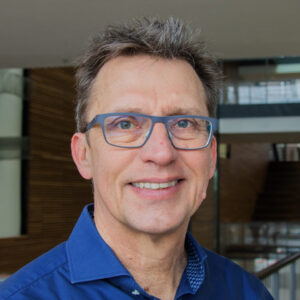
Germany
Detlef Weigel
Max Planck Institute for Biology Tübingen
Read more
Detlef was one of the first to exploit natural genetic variation for understanding how the environment affects plant development. With his collaborators, he pioneered the use of high-throughput sequencing technologies for studying genetic and genomic variation, thereby providing a blueprint for similar studies in a wide range of both wild and crop plants. In recent years, Detlef’s work has come to incorporate questions at the interface of evolution and ecology, including the question of how wild plants adapt to climate change

Denmark
Deyang Xu
Department of Plant and Environmental Sciences, University of Copenhagen
Read more
Specialized metabolites, in their myriad and diverse forms, serve as key chemical language of sessile plants, facilitating communication with their surroundings. Deyang Xu is dedicated to unravelling the molecular mechanism governing the transport of specialized metabolites, both within plants and in interactions with other organisms. Utilizing glucosinolate defense compounds in Arabidopsis as a model system, he focuses on the transport processes across key borders i.e. in seed loading and root exudation. The knowledge are being translated to Brassica crops, aiming to enhance both the nutritional content of edible parts and the overall fitness of the plant. Additionally, Deyang is studying how plants tailor their endophytic microbiomes to enhance their fitness and adapt to natural soils. He obtained his PhD in molecular genetics from the Shanghai Institute of Plant Physiology and Ecology at the Chinese Academy of Sciences in 2012. By 2016, he was appointed as an Assistant Professor at the University of Copenhagen.

Oman
Mahmoud Yaish
Sultan Qaboos University
Read more
Mahmoud Yaish’s research aims to study the mechanisms involved in plants' abiotic stresses, such as salinity and drought, using OMICs and reverse genetics approaches. Besides, He is studying the relationship between the plants' microbiota and abiotic stress tolerance and trying to produce biofertilizers based on plant growth-promoting bacteria (PGPB).
Türkiye
Derya Yücel
University of Sırnak, Agriculture Faculty, Field Crops Department
Read more
Derya is Professor in Agriculture Faculty, Şırnak University, whose main interests are to understand and predict plant performances under environmental constraints, mainly in pulses. Her research is focused on breeding and agronomy of pulses, ecosystem services and enhance plant productivity against a range of environmental stresses.
No member matches your search.
Last updated: October 2026 · Changes to your profile or new members: contact us.
 Spanish
 English
 Polish
 Czech
 French
 Arabic
 German
 Portuguese
 Russian
 Korean
 Chinese